

In recent years, there has been growing attention and concern surrounding the environmental consequences of industrial operations. Among the companies striving to align their operations with sustainable development goals is the Korindo Group.
Headquartered in Jakarta, Indonesia, Korindo is a diversified business group with major interests in forestry, plantation, paper manufacturing, logistics, and renewable energy. Although the company has faced criticism in the past, it has made significant efforts to demonstrate its commitment to environmental protection.
This article reviews the key sustainability initiatives implemented by Korindo over the past decade, evaluates the environmental challenges it has encountered, and examines how the company has responded to these challenges.
Korindo’s Main Environmental Programs
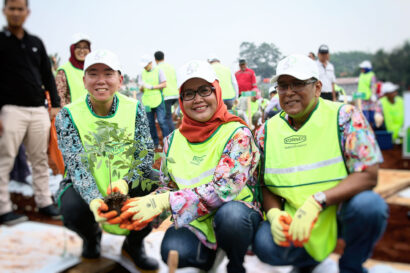
Korindo has several main programs that have been successfully implemented in recent years, what are they?
1. Reforestation and Forest Management
One of Korindo’s most notable environmental initiatives is its reforestation program. Recognizing the ecological and social value of Indonesia’s forests, the company has invested in reforestation as part of its strategy to mitigate the environmental impact of its operations. Korindo claims to have planted millions of trees as part of its commitment to sustainable forestry practices, including replanting areas that have been logged and rehabilitating degraded lands.
The reforestation efforts are designed not only to maintain the carbon sequestration capacity of forested land but also to preserve biodiversity. In addition to tree planting, Korindo has promoted the use of agroforestry techniques to combine forest conservation with economic activities, thereby supporting local livelihoods while restoring ecological balance.
Moreover, Korindo adheres to the principles of Reduced Impact Logging (RIL), a method that minimizes damage to the surrounding environment during logging operations. This approach is intended to reduce soil erosion, protect water sources, and preserve the structural integrity of forest ecosystems.
2. Carbon Emissions Reduction
In line with global efforts to combat climate change, Korindo has taken measures to reduce greenhouse gas (GHG) emissions across its supply chain. The company has introduced several eco-efficiency programs aimed at optimizing energy consumption and switching to cleaner energy sources where possible.
For example, Korindo’s biomass power plants utilize wood waste and other organic byproducts from its operations to generate electricity. This not only helps in waste reduction but also provides a renewable energy source that replaces fossil fuel-based power. By converting biomass into energy, the company has reportedly lowered its carbon footprint and demonstrated a circular economy model.
In its manufacturing units, Korindo has also enhanced energy efficiency by upgrading machinery and implementing automation systems to minimize energy waste. The company continues to explore ways to integrate sustainable technology into its operations, including innovations in cleaner production and transportation.
3. Waste Management and Recycling
Another critical area of Korindo’s environmental commitment is waste management. In industries such as paper manufacturing and plywood production, waste generation can be substantial. Korindo has implemented systems to manage, recycle, and reduce the waste produced from its industrial processes.
Solid waste is segregated and processed to identify recyclable materials, while hazardous waste is handled according to government regulations to ensure environmental safety. In particular, Korindo has developed initiatives to reuse sawdust, wood chips, and other residuals from logging and milling activities. These byproducts are often repurposed as raw materials for biomass energy or compressed wood products.
Wastewater treatment is also a priority. The company operates treatment plants to process industrial effluents, ensuring that the discharged water meets environmental quality standards. This is especially important for preventing water pollution in surrounding communities and ecosystems.
4. Biodiversity Conservation
Korindo has recognized the ecological significance of biodiversity in the regions where it operates. Many of its operations are located in ecologically sensitive areas such as Papua and Kalimantan, which are home to rare and endangered species.
To address this, the company has set aside High Conservation Value (HCV) areas where no industrial activity is allowed. Korindo Group collaborates with environmental experts and non-governmental organizations (NGOs) to conduct biodiversity assessments and monitor the health of these conserved areas.
Challenges and Controversies
Despite these initiatives, Korindo has not been free from environmental controversies. In the past, the company has been criticized by international environmental groups for alleged deforestation, particularly in Papua. Reports from organizations such as Greenpeace and Mighty Earth have accused the company of clearing large tracts of rainforest to make way for oil palm plantations, resulting in biodiversity loss and social conflicts with Indigenous communities.
These allegations brought global attention to Korindo’s practices and forced the company to address its shortcomings. In response, Korindo halted land clearing in certain areas and committed to a moratorium on further deforestation. The company also began engaging more transparently with stakeholders, publishing sustainability reports, and undergoing third-party audits to improve accountability.
Moving Forward
Korindo’s environmental journey reflects the broader tension between industrial growth and ecological preservation. The company’s initiatives in reforestation, carbon emissions reduction, waste management, and biodiversity conservation are commendable steps toward sustainability. However, the legacy of past environmental controversies continues to cast a shadow over its reputation.
To build genuine environmental credibility, Korindo must remain committed to transparency, collaboration, and continuous improvement. This includes not only adhering to existing environmental standards but also proactively exceeding them, especially in high-risk sectors like palm oil and timber.
Furthermore, integrating Indigenous knowledge and involving local communities in environmental planning could help Korindo implement more culturally appropriate and sustainable practices. Long-term partnerships with research institutions could also enable the company to leverage scientific innovation for ecological restoration and climate adaptation.
Korindo Group with environmental commitment is a work in progress marked by both meaningful advancements and serious challenges. Over the past few years, the company has undertaken a variety of sustainability initiatives, ranging from reforestation and emissions reduction to waste recycling and biodiversity conservation.
As global expectations around corporate sustainability continue to rise, Korindo’s future success will depend on how well it can integrate environmental ethics into every level of its business operations. With sustained commitment and external oversight, the company has the potential to shift from being a controversial figure to a true leader in green industry practices.